

When beginning the journey of recovery, many people and their families ask a common question: What’s the difference between a residential treatment facility and a sober living home? Understanding the distinction can help you make the best possible decision based on your goals, stage of recovery, and support needs.
What Is a Residential Treatment Facility?
A residential treatment (also known as inpatient treatment) is a structured clinical environment where individuals receive intensive care for substance use disorders. There are two main types:
- Inpatient Treatment: Residents live at the facility full-time, often for 30–90 days. They receive medical supervision, detox support, individual and group therapy, and educational programming.
- Outpatient Treatment (IOP/PHP): Clients live at home or in a sober living home and attend scheduled therapy and treatment during the day or evening.
Residential treatment is ideal for those:
- Just starting recovery
- Needing medical detox
- With co-occurring mental health disorders
- At high risk for relapse without intensive care
What Is a Sober Living Home?
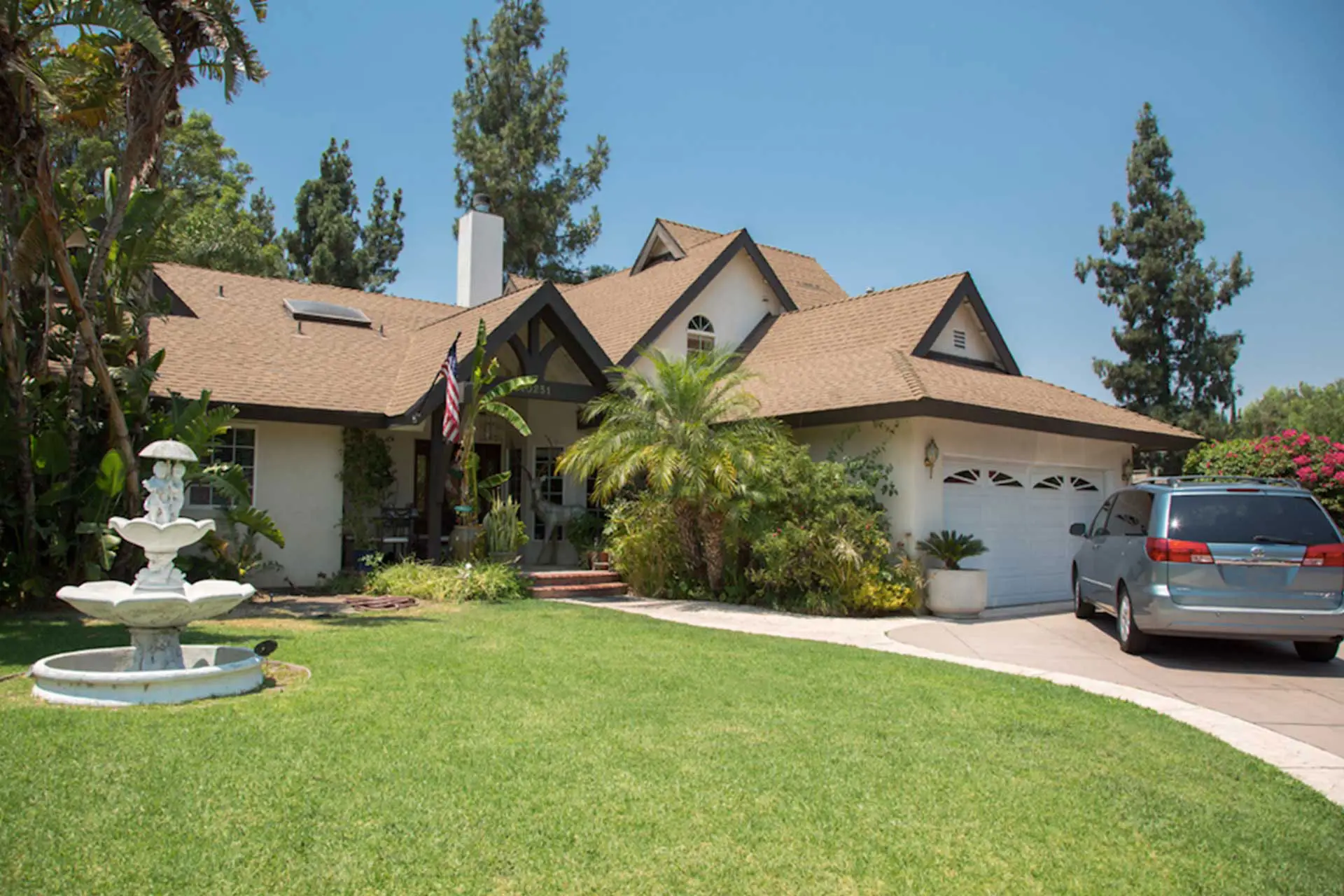
A sober living home (sometimes called a halfway house or recovery residence) is a drug- and alcohol-free living environment that provides structure, accountability, and community support for people in recovery.
Looking for a safe, structured place to live while you rebuild? Steps in the Right Direction offers gender-specific sober living in the San Fernando Valley: Aura House for women in Northridge and Arminta House for men in Winnetka. Both homes are pet friendly. Call (818) 231-1400 or apply online.
At Steps in the Right Direction, for example, residents live in a home-like setting with:
- Gender-specific accommodations
- Pet-friendly options
- House managers on-site
- Weekly house meetings
- Curfews, drug testing, and community guidelines
Sober living is ideal for those:
- Transitioning out of residential treatment
- Attending outpatient programs (IOP or therapy)
- Wanting accountability while rebuilding their lives
- Looking for community support and structure
Key Differences at a Glance
| Feature | Residential Treatment | Sober Living |
|---|---|---|
| Medical Detox | Yes | No |
| Clinical Therapy | Daily | Optional/External |
| 24/7 Supervision | Yes | Often live-in manager only |
| Length of Stay | 30-90 Days | Flexible (months to a year+) |
| Cost | Higher | More Affordable |
| Focus | Treatment & Stabilization | Integration & Accountability |
Why It Matters
Choosing the right step depends on where someone is in their recovery. Think of it this way:
- Residential treatment is the hospital.
- Sober living is the physical therapy.
One gets you stabilized. The other helps you regain strength and build a life worth living.
Both have vital roles in the recovery journey. Many residents at Steps in the Right Direction come to sober living after a residential program and use it to stay on track, build routines, and reconnect with purpose.
Final Thoughts
Ready to learn more or schedule a tour? Contact us today at 818.231.1400!
Steps in the Right Direction offers structured, gender-specific sober living in the San Fernando Valley, with pet-friendly homes for women in Northridge and men in Winnetka. For more information, call (818) 231-1400.

About the author: Linda Butler
Founder, Steps in the Right Direction
Linda Butler founded Steps in the Right Direction in the spring of 2000 and has spent more than 25 years helping women and men find lasting recovery through structured, pet-friendly sober living in the San Fernando Valley. Learn more about Linda.